

 See My Latest Article on HelloNation
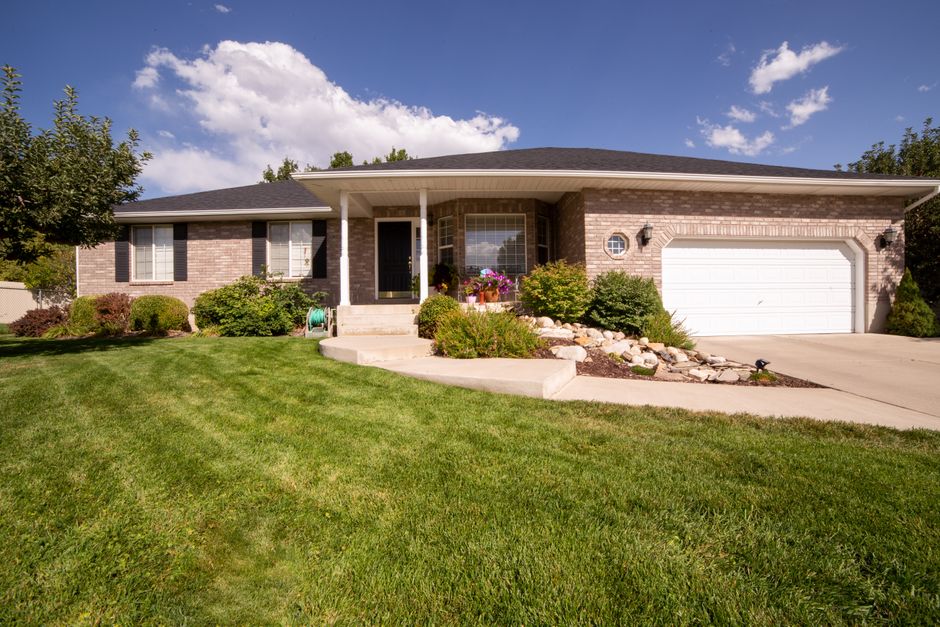
A home’s exterior creates an immediate impression, but improving curb appeal does not require a major renovation. In Marianna, FL, practical changes such as cleaning outdoor surfaces, refreshing planting areas, improving visibility, and maintaining the entry can make a property look cared for without a large budget.
Which curb appeal improvements offer the most value for the money?
The most useful improvements are usually the ones that make the home look clean, maintained, and easy to approach. Buyers and visitors often notice the front walk, entry door, lawn edges, visible clutter, and condition of exterior surfaces before they notice expensive landscaping.
Start with a short inspection from the street. Look at the property during daylight and identify anything that appears neglected:
- Overgrown shrubs blocking windows or walkways
- Weeds growing through planting beds or cracks
- Dirt or mildew on siding, steps, or concrete
- Faded house numbers or a worn mailbox
- Loose railings, sagging gates, or damaged trim
- Empty pots, tools, hoses, or stored items near the front entrance
- Burned-out exterior bulbs
Addressing these visible issues often improves the appearance more than adding new decorations.
How can cleaning improve a home’s exterior?
Cleaning is one of the least expensive ways to refresh curb appeal. Sweep the porch, remove cobwebs from corners and light fixtures, clear leaves from steps, and rinse dirt from outdoor furniture or planters. Windows that are free of dust and pollen can also make the entire front of a home appear brighter.
Warm, humid conditions can contribute to mildew and algae on shaded surfaces, especially concrete, wood, fencing, and areas that stay damp after rain. A scrub brush, mild cleaning solution, and a garden hose may be enough for light buildup. Avoid using excessive pressure on painted wood, older siding, window screens, or fragile trim because aggressive cleaning can cause damage.
For safety, use caution around electrical fixtures and outdoor outlets. If a surface is high, unstable, or heavily affected by mold or decay, the issue may require more than a basic weekend cleaning project.
What low-cost landscaping changes work well in this climate?
Landscaping should look intentional without requiring constant watering or maintenance. In this region, heat, humidity, heavy rain, and periods of dry weather can all affect plants. Choose hardy plants that fit the amount of sunlight and drainage available rather than selecting plants based only on appearance.
A modest planting bed can look finished if it has:
- A clearly defined edge
- A small number of compatible plant varieties
- Fresh mulch or pine straw applied evenly
- Space between plants for mature growth
- A clear view of windows, the walkway, and the front door
Overcrowding is a common mistake. Plants that look small at installation can eventually cover windows, hide house numbers, or press against siding. Pruning existing shrubs may create more improvement than buying additional plants.
If the lawn is uneven or thin, focus on the areas most visible from the street. Neatly trimmed edges around sidewalks, driveways, and planting beds can make average grass appear more orderly. Repairing every lawn problem at once is usually unnecessary for a simple curb appeal update.
Should you use mulch, pine straw, or decorative stone?
The best ground cover depends on the planting area, drainage, slope, and maintenance preferences. Mulch and pine straw can give beds a refreshed appearance and help moderate soil moisture. They should be spread in an even layer without touching the trunk of a tree or covering the base of shrubs.
Decorative stone can work well in some areas, but it may reflect heat, move during heavy rain, and become difficult to remove later. It can also create mowing and edging challenges if installed directly beside turf. The goal is not to use the most decorative material; it is to create a clean transition between the home, planting beds, and lawn.
Keep ground cover below siding and away from vents, doors, and drainage paths. Materials placed too high against the structure can hold moisture near the home.
How can the front door become a stronger focal point?
The front entrance is often the most noticeable part of the exterior. A thorough cleaning may be enough, but a carefully chosen paint color, updated hardware, or a simple door mat can make the entry appear more finished.
Before painting, check whether the door material and existing finish are suitable for the product being considered. Clean and lightly prepare the surface, protect surrounding trim, and allow enough drying time between coats. A door does not need to be a bright or dramatic color to stand out. A clean, well-maintained finish that complements the home is usually more effective.
Make sure the entry is easy to see after sunset. Replace dim or damaged bulbs with outdoor-rated lighting that provides enough illumination for the steps, lock, and walkway. Avoid directing bright light toward neighboring homes or creating glare that makes the entrance harder to use.
What small details are easy to overlook?
Minor features can make the exterior feel either orderly or unfinished. Check that house numbers are visible from the street and mounted securely. If a mailbox or porch fixture is faded, a thorough cleaning or a simple touch-up may be sufficient.
Also inspect:
- Doorbell condition and placement
- Porch ceiling and light fixture for cobwebs
- Handrails and steps for stability
- Window screens for tears
- Driveway and sidewalk edges
- Visible trash containers and storage items
- Garden hoses and outdoor tools
These details matter because they communicate how well the property is maintained. They also affect practical concerns such as visibility, access, and safety.
How can curb appeal be improved without creating water problems?
Exterior improvements should not interfere with drainage. Heavy seasonal rain can expose problems that are easy to miss during dry weather. Do not block swales, gutters, downspout outlets, or other established paths for water.
Observe the property during or after rainfall if possible. Look for standing water near the foundation, soil washing out of planting beds, or mulch and pine straw collecting against walkways. Repositioning loose materials and keeping drainage routes clear may improve both appearance and function.
Avoid adding soil or decorative material against the foundation without understanding how water moves across the lot. A visually attractive planting bed can create future moisture problems if it redirects runoff toward the house.
What should be completed before taking exterior photos or showing a home?
The exterior should be clean, accessible, and visually simple. Remove vehicles or equipment that block the entry when practical. Put away hoses, toys, tools, and seasonal decorations. Open blinds or curtains enough for windows to appear bright, while keeping the front area uncluttered.
Walk the property as a first-time visitor would. Is the address easy to find? Is the walkway clear? Does the front door stand out? Are there trip hazards, loose boards, or dark areas near the entrance?
A small budget is usually best spent in this order: clean and repair first, prune and define landscaping second, then add limited decorative touches. That approach improves the features people notice most while avoiding unnecessary purchases or maintenance.