

 See My Latest Article on HelloNation
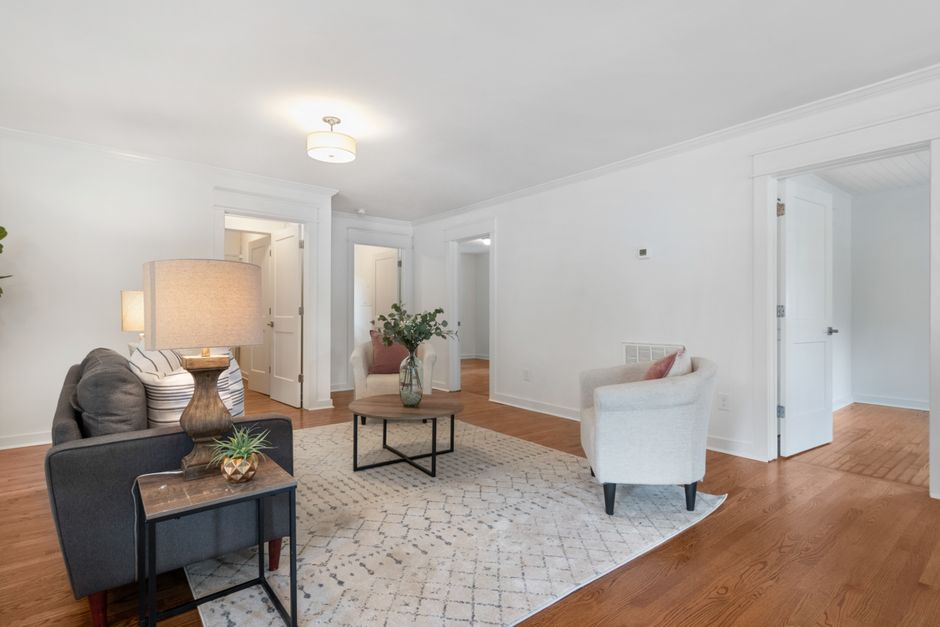
Selling a home often begins before the first showing. Thoughtful staging helps buyers understand how rooms function, notice the home’s condition, and picture daily life there. Staging does not require expensive furniture or a complete renovation. In many cases, cleaning, editing belongings, improving light, and making small repairs provide the greatest benefit.
What does home staging actually involve?
Home staging is the process of preparing a property so its space, condition, and features are easy for buyers to understand. It is different from decorating for personal taste. The goal is to create a clean, comfortable, broadly appealing setting rather than a highly personalized one.
Effective staging usually includes:
- Removing excess furniture and personal items
- Deep cleaning visible and overlooked areas
- Improving lighting and window presentation
- Arranging furniture to show how each room can be used
- Addressing minor maintenance concerns
- Improving the first impression from the street and entryway
A staged home should still feel livable. Rooms should not appear empty or artificial, but they also should not be so full that buyers have difficulty seeing the floors, walls, storage, or room dimensions.
Which rooms deserve the most attention?
The main living areas, kitchen, primary bedroom, and bathrooms generally deserve the most attention because buyers often use these spaces to judge the home’s overall condition and practicality.
In the living room, remove furniture that blocks walkways or makes the space feel smaller. Arrange seating to show a natural conversation area rather than pushing every item against the walls. If the room has a fireplace, large windows, or another architectural feature, keep the arrangement from hiding it.
The kitchen should look clean, functional, and easy to maintain. Clear most countertop appliances, papers, food containers, and decorative objects. A few useful items can remain, but crowded counters may make storage appear limited. Clean cabinet fronts, hardware, light fixtures, and the area beneath the sink.
Bedrooms benefit from simple bedding, open walkways, and limited furniture. A bed, two small bedside tables, and a dresser may be enough. Remove exercise equipment, laundry piles, excessive decorations, and personal photographs when possible.
Bathrooms should be especially clean and uncluttered. Put away toiletries, hair tools, cleaning products, and extra towels. Scrub grout, polish mirrors, clean ventilation covers, and replace worn shower curtains or bath mats if needed.
How can a smaller home appear more spacious?
A smaller home cannot be made physically larger through staging, but it can feel more open when visual obstacles are reduced. The most effective step is often removing items rather than adding them.
Start with closets, hallways, countertops, and rooms containing oversized furniture. Buyers commonly open closets and storage areas, so avoid moving clutter into places that will be inspected. Keep floors as visible as possible and leave clear paths through each room.
Use furniture that fits the scale of the space. A large sectional may be comfortable but can make a living room appear difficult to arrange. In a small bedroom, an oversized bed frame may distract from the available floor area.
Mirrors can improve light and add visual depth when placed thoughtfully, but they should not be used to create a distracting or overly decorated appearance. Light-colored walls and coordinated textiles may also make rooms feel calmer, although repainting is not necessary if existing colors are clean and reasonably neutral.
What should homeowners do about personal belongings?
Personal belongings should be edited, not necessarily removed entirely. Buyers need to see that a home is comfortable, but highly personal displays can make it harder for them to imagine the property as their own.
Consider packing or storing:
- Collections and large groups of decorations
- Excess family photographs
- Political or religious displays
- Valuable items that could be damaged or misplaced
- Documents, mail, medication, and financial information
- Clothing that makes closets appear crowded
Important documents and valuables should remain secure during showings. Staging should never require leaving private information exposed.
How does cleaning affect buyer perception?
Cleanliness strongly influences how buyers interpret maintenance. A dusty ceiling fan, stained grout line, dirty window, or musty closet may cause visitors to wonder what other issues have been overlooked.
A thorough cleaning should include more than floors and countertops. Pay attention to:
- Baseboards, doors, trim, and light switches
- Ceiling fans, vents, and light fixtures
- Window glass, screens, and tracks
- Cabinet interiors and appliance surfaces
- Porches, entry steps, and outdoor seating areas
- Pet odors, cooking odors, and damp areas
In Marianna, warm weather and seasonal moisture can make ventilation, flooring, and shaded exterior areas especially noticeable. Airing out the home when conditions allow, correcting moisture concerns, and keeping floors free of tracked-in dirt can help the property feel fresher.
Strong fragrances should not be used to cover odors. Heavy air fresheners may make buyers suspect that an underlying issue is being concealed.
What exterior improvements help before a showing?
The exterior creates the first impression, but staging the outside does not require major landscaping work. Focus on cleanliness, access, and visible maintenance.
Clear leaves and debris from walkways, steps, porches, and entrances. Trim vegetation that blocks windows or paths. Remove unused containers, broken outdoor items, excess toys, and seasonal decorations that make the property look crowded.
Check whether the house numbers are visible, exterior lights work, and the front door area appears cared for. In a community with warm summers and periods of heavy rain, drainage areas, gutters, screened spaces, and shaded porches may receive extra attention from buyers. These areas should be clean and free of stored items that suggest water or maintenance problems.
The backyard should show its practical possibilities. A modest seating area, open lawn, or clearly maintained garden may help buyers understand how the space can be used. Avoid filling the yard with too much furniture or equipment.
Should repairs be completed before staging?
Small visible repairs are usually worthwhile because they can affect a buyer’s impression of the entire home. Repair loose door handles, sticking doors, dripping faucets, damaged screens, burned-out bulbs, and cracked switch plates when practical.
Staging should not be used to hide defects. Furniture, rugs, boxes, or decorations should not cover water damage, structural concerns, unsafe electrical conditions, or significant moisture problems. Hazardous conditions may require qualified attention before the property is shown.
A fresh coat of paint may help in rooms with scuffed walls or highly personalized colors, but repainting every room is not always necessary. The condition of the surfaces matters more than following a particular decorating trend.
What are common staging mistakes?
Several choices can work against an otherwise attractive presentation:
- Leaving too much furniture in every room
- Using dark rooms without adding adequate lighting
- Hiding clutter in closets or garages
- Displaying too many personal photographs or decorations
- Ignoring odors, pet hair, or outdoor maintenance
- Using furniture that prevents doors, windows, or cabinets from opening
- Making rooms look so formal that buyers cannot imagine using them
- Spending heavily on improvements that do not address visible problems
It is also a mistake to stage only the rooms buyers see first. Garages, laundry areas, storage spaces, porches, and backyards contribute to a buyer’s understanding of how the property functions.
How should a home be maintained between showings?
Staging is most effective when the presentation remains consistent. Before each showing, make beds, clear counters, close toilet lids, remove trash, open interior blinds or curtains as appropriate, and turn on lights in darker areas.
Keep the temperature reasonably comfortable, especially during warm weather. Secure pets and remove pet supplies if possible. If a home is vacant, periodic checks may be needed to identify leaks, pest activity, storm-related damage, or air-conditioning problems.
The purpose of staging is not to make a home look unfamiliar. It is to present the property clearly, reduce distractions, and help buyers evaluate its condition and potential with fewer obstacles.